
Happy New Year! I’m so pumped about this year.
Btw, Web3talez is now on LinkedIn. Follow Web3talez on Linkedin for exciting web3 marketing contentsss without generic terms like “guerrilla marketing” but to see how it’s actually done. You’ll love it there, I promise
Thanks for reading Web3tales ! Subscribe to receive bi-weekly emails.
Contents
Introduction
Why Mascots?
Why Mascots fail
How to use a mascot
Do you need a mascot?
Inside crypto twitter’s small circle, there are several competitors for mindshare – basically how often people are talking about your project on the tl within a certain period of time. Because this has now been seen as a metric (thanks to Kaito and other InFoFi friends), the journey to arrive at mindshare can be either organic or ridiculously inorganic.
Several times to “gain acceptance” projects introduce a mascot – a character that is supposed to “humanise” the brand and drive engagement.
I’ve been there. In fact, I previously created a mascot strategy for an L1 chain whose needs at the time was to capture mindshare on crypto twitter. They believed their chain had what it takes to rival Ethereum and Solana, so maybe getting the attention of crypto twitter first could be a good foundation. After all, that’s where most crypto native conversations are held.
That said, there’s a big problem. Most Web3 projects that launch mascots are falling into the same trap. They’re building cute (not always cute though) characters that generate social media buzz but don’t drive usage or retention in the long run.
The mere fact that mindshare, although fleeting, is “preferred” to pulling actual utility numbers shows how short sighted many web3 folks are. Like social media counts, mindshare has become another vanity metric that web3 folks adore.
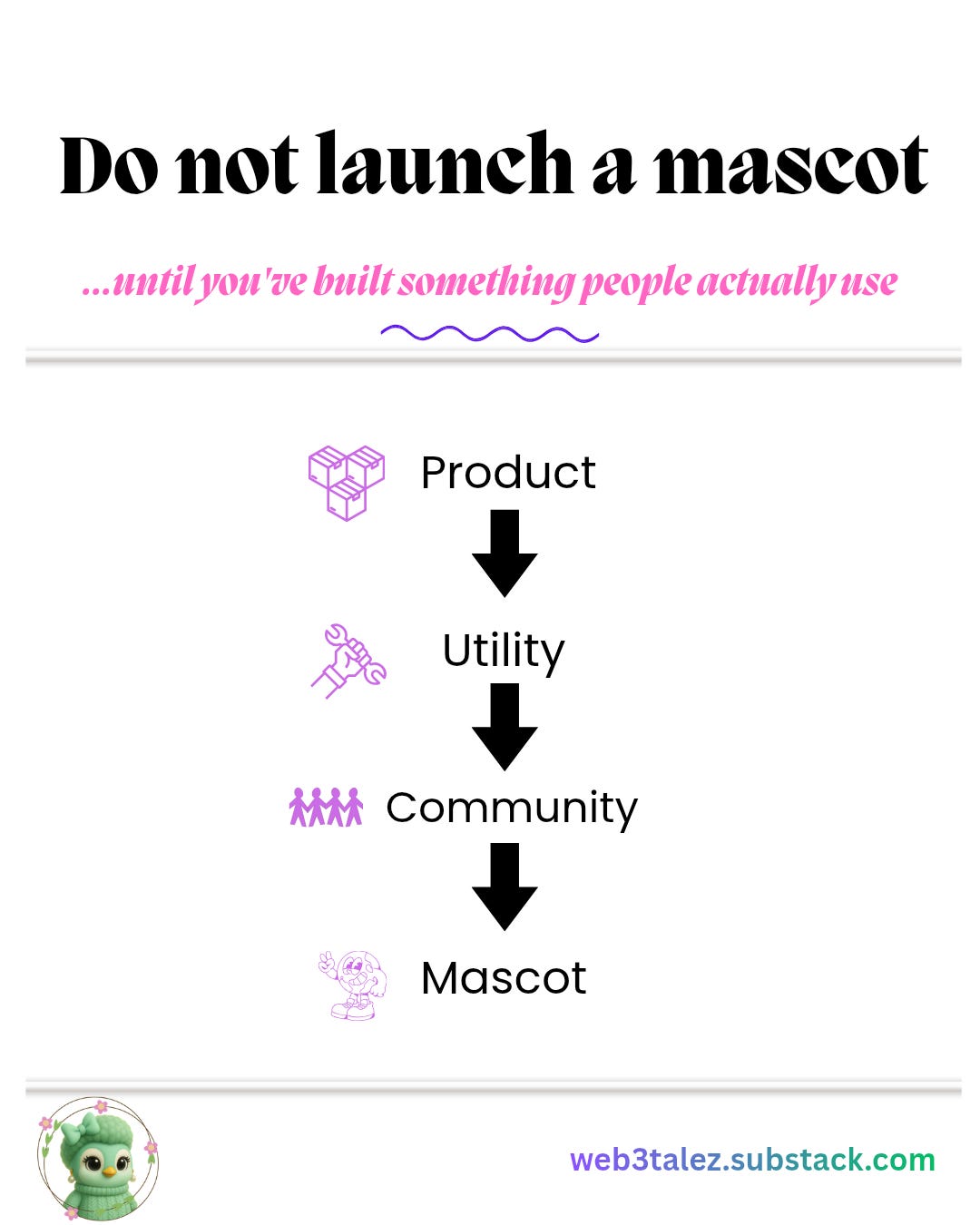
It should be this way and not the reverse:
Utility/TVL → Mindshare
All the fun mascot contests and engagement streaks in the world won’t save a chain nobody uses.
But then, projects get so caught up in engagement mechanics: daily login rewards, customization contests, meme competitions, that they forget to build reasons for users to actually stay.
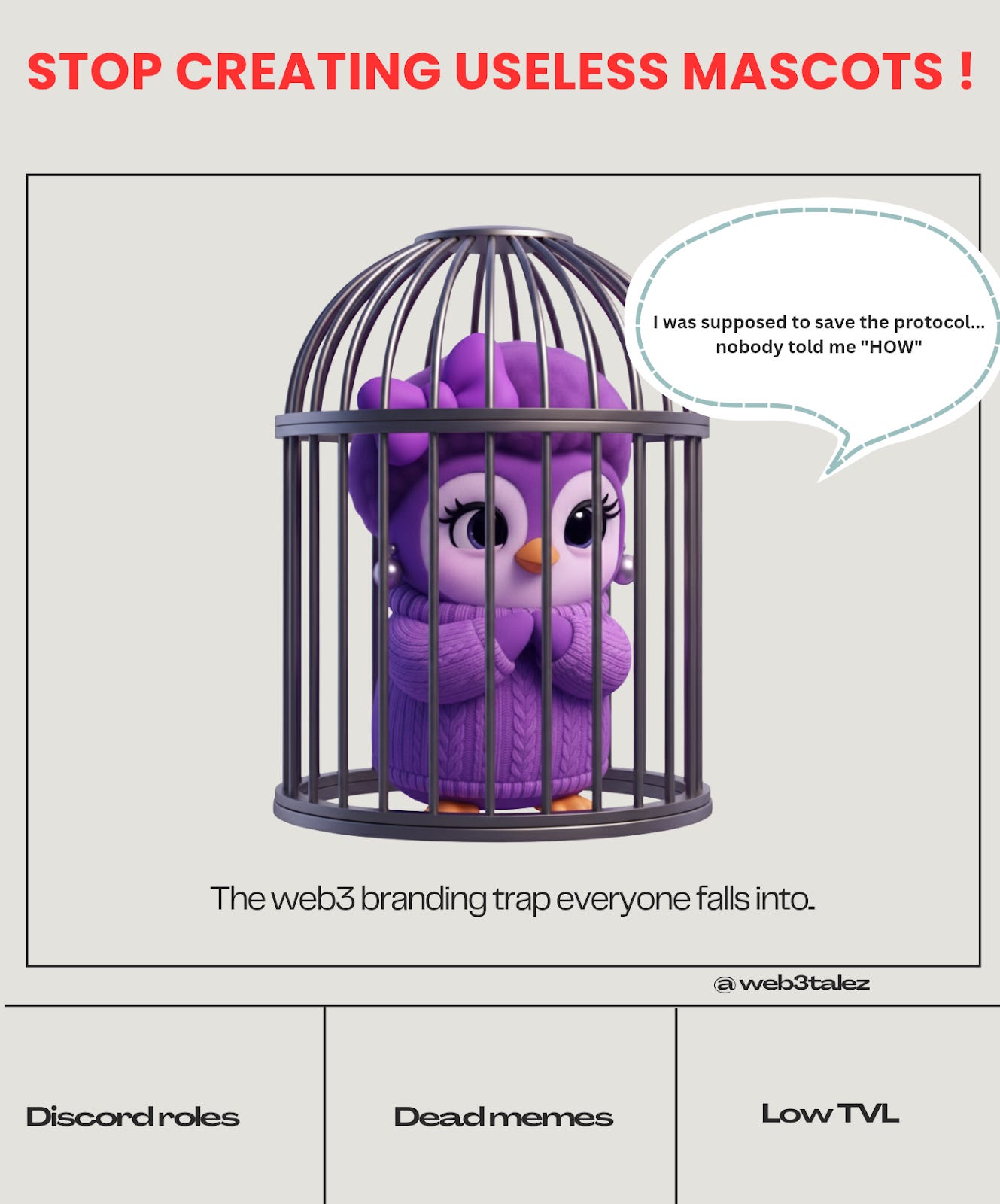
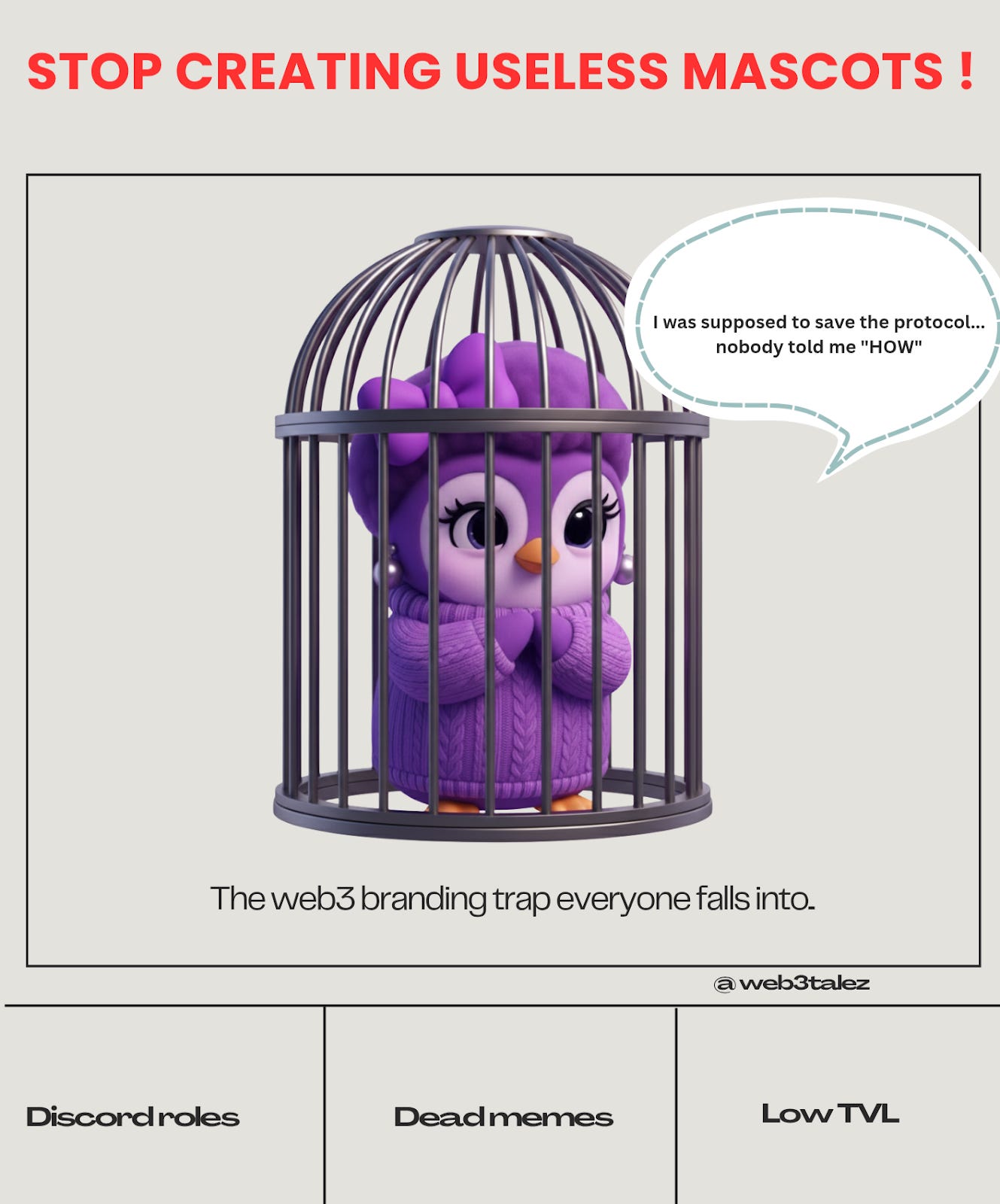
A user might spend 20 minutes customizing a mascot and never interact with the protocol again. They’ll chase a streak for Discord roles but never stake a single token. The dopamine hits from social engagement masks the reality that nobody is using the product.
It’s the Web3 equivalent of a restaurant with great Instagram lighting but terrible food. People show up for photos but not to eat.Today’s case study will help you know if you need a mascot, when you need it, and how to build a storyline around it.
Everyone has a mascot these days
Pudgy Penguins has Pengu to spread love and positivity across the meta.

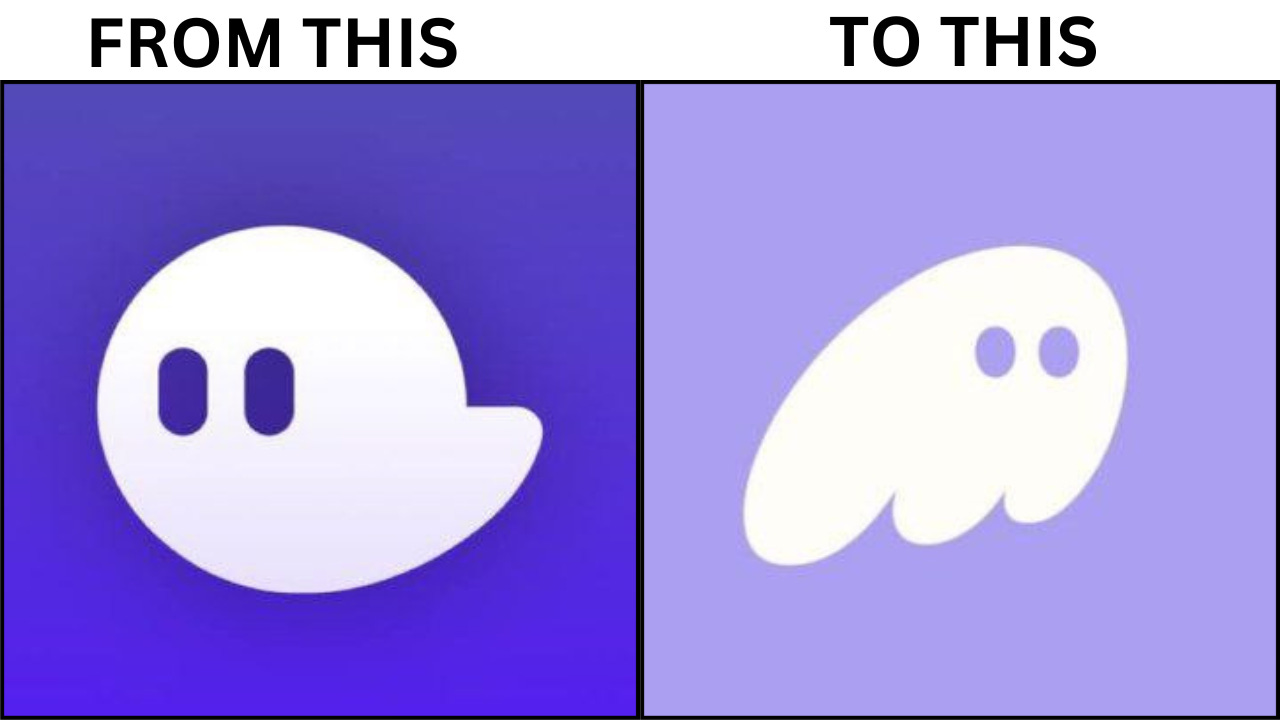
In 2023, Phantom Wallet rebranded and tweaked their logo to become italicized and better communicate the brand’s identity as “your web3 companion”.
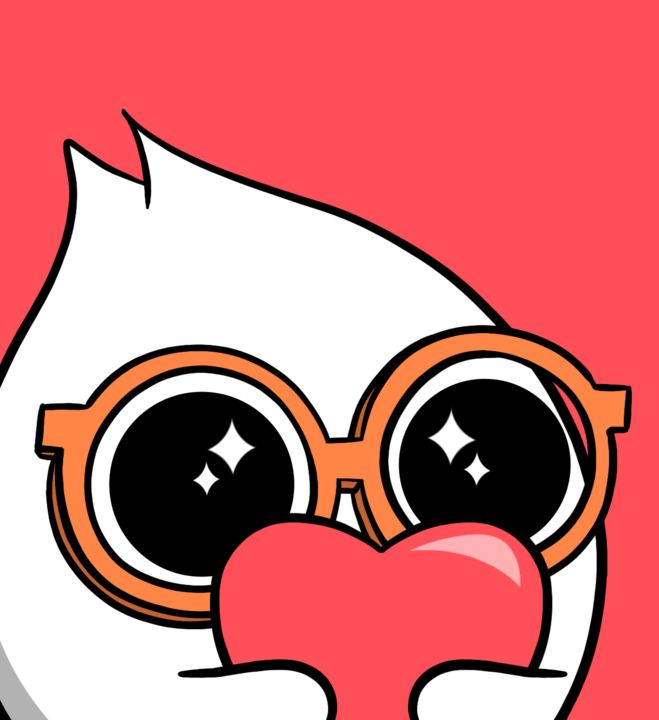
Irys, the programmable datachain has Sprite – a digital spirit tied to the idea of eternal data.
Berachain has Bera.
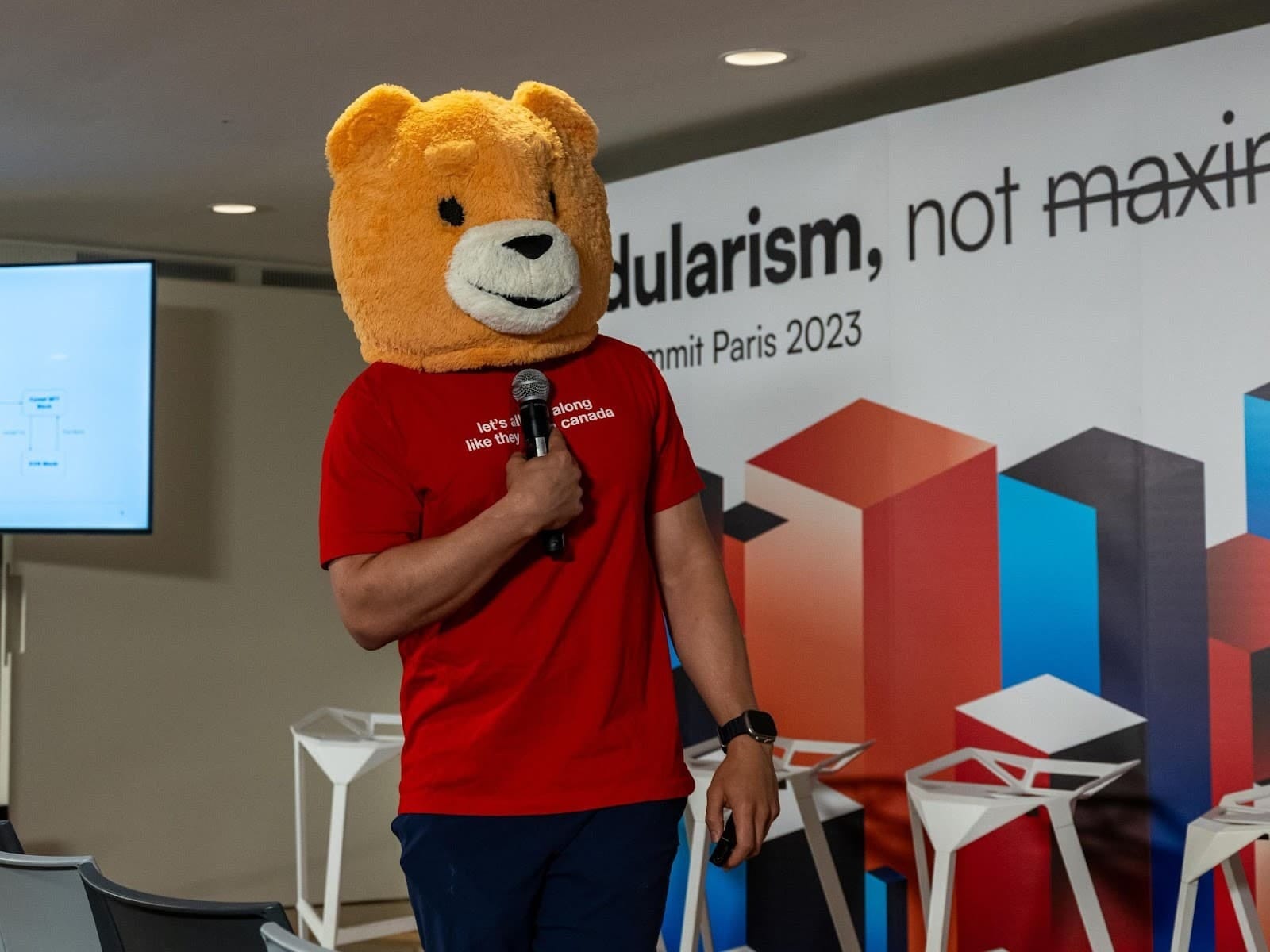
Babylon BTC, a protocol that lets Bitcoin holders stake their BTC to earn rewards, has the Babyloong mascot.
Why mascots?
One feature of a great brand is offering self expressive benefits – giving your community an opportunity to be part of your story.
Mascots are one way to do this.
For instance, through a mascot design contest, community members can design their own mascot based on how they perceive the brand – that could be thousands of self-expressions through just one brand!
Outside Web3, there are notable brands that have incorporated mascots so this automatically makes it reasonable for other brands to want to adopt them. The aim has always been to imbibe culture and humanize the brand.
Why do mascots appear to be more common in Web3?
The answer is simple: culture.
Initially web3 thrived on internet culture (but that’s rapidly changing now) : on memes, chaos, shitposts. It was more less polished, less buttoned-up. Some of the projects that had previously won in this space are the ones that understood that – they made people feel like they’re part of something fun.
A mascot is one of the easiest ways to add personality to a brand because it gives the product a face outside typical logos that people hardly remember. Whitepapers, blog posts, and announcement tweets only go so far, but a mascot can create a fun character that enables your brand to easily engage with your community organically.
Why Most Mascots Fail
Before you announce a cute character as your brand’s mascot, it’s worth noting that only a few mascots actually win at the end of the day and here’s why:
Lack of connection
Anybody can design a character, but not everyone is intentional about how users are elevated through the brand’s character.
That’s the difference between projects that do branding well and those that don’t.
Marketing is how you see them; branding is how they see you.
Forget about the noise you get 2 weeks after forcing engagement through your mascot launch. All of that eventually dies if there’s no connection aside from rewards.
If you decide to design a mascot for your brand, make sure your community isn’t left out of the storytelling. That’s why Pudgy Penguin is an exceptional Web3 brand (detailed Pudgy Penguin marketing case study coming SOON).
Further reading: How To Create A Strong Web3 Brand
Cringe factor
This awkward scenario sets in when:
A mascot feels forced, corporate, and out of touch. It only appears when there’s an announcement to make and lacks any real connection with the brand story.
A mascot’s identity deviates completely from what the brand represents. The subtle conflict it creates is loud enough for your community to notice. They can see right through the brand awkwardly trying to become a meme.
Ghost launch
This occurs when you already have a community, you announce the mascot, and are met with dead silence.
Low engagement on the reveal post kills all momentum before it can even start. The character feels immediately empty because no one is talking about it.
Why? Mascots need social proof immediately.
If the launch flops, the character is dead on arrival. You cannot recover from a failed introduction; the community has already decided it is not worth their attention.
This can happen for two reasons:
You weren’t building a community, so nobody was invested in your brand.
The announcement itself failed to resonate or generate interest.
Mascots need social proof immediately.
Wrong timing
Don’t bother launching a mascot if your project doesn’t meet up with utility fundamentals otherwise it won’t be anything different from a meme coin mascot.
First things first : fix the product and then you could design a mascot to make your brand voice more fluid. Take for instance Phantom, at the time of rebranding, they already had over 1 million users. The mascot was simply to amplify their brand identity : “…a trusted companion that makes doing stuff with crypto an enjoyable experience.”
Annoying campaign
This happens when you launch a mascot with gamification mechanics that are confusing, offer weak rewards, or make tasks feel like work.
Participation will automatically feel like a chore with unclear payoffs and then attract mostly airdrop hunters, not engaged community members.
Worse still, it rubbishes your mascot’s credibility.
Boxes to check if your mascot campaign is annoying:
The rules are more than 3 simple steps.
The rewards feel cheap e.g just another discord OG role.
The tasks are boring.
No way for participants to track progress.
Copycat
This is for the “me-too brands”. You lose your originality by trying to be like another.If your mascot strategy is to copy a successful project’s approach, you’ve already shot yourself in the foot. Your mascot will inevitably be compared unfavorably to the original. This damages your brand perception, and the comparison becomes the whole story.
Externally, the mascot will be seen as derivative, and the launch will feel like a FOMO-driven decision rather than a genuine one.
How to use a mascot
Build the foundation first.
Fix product-market fit, then amplify it with your mascot’s personality.
Give it a storyline
Your mascot needs to exist within your brand narrative, not outside it.
To stay in check ask yourself:
Why does this character exist in our brand?
What problem does it solve?
How does it grow alongside the brand?
Tie it to utility
Don’t make mascot engagement separate from
product usage.
The wrong approach looks like this:
❌ Customize mascot ➡️ Get Discord role
❌ Create memes ➡️ Win USDC
But this doesn’t translate into actual protocol interaction which really has no business benefits.
This is how it should be:
✅ Lock tokens ➡️ Unlock mascot customization
✅ Support the network ➡️ Earn rare mascot traits
✅ Use product features ➡️ Level up the mascot
✅ Own the mascot NFT ➡️ Get better rewards and voting power (governance).
️ Utility > Mindshare. Ideally every mascot interaction should deepen usage, not just add to the number on your socials.️ Nobody is saying don’t gamify but do it with traction in mind.Measure what actually matters
Some questions you should check with:
How many mascot holders never touched the product at all?
Do users who engage with the mascot retain longer than users who don’t?
Is transaction frequency higher after mascot interaction?
Are mascot holders staking, providing liquidity, or using core features more often?
Did TVL, volume, or active wallets increase during the campaign, and did it hold after?
What percentage of mascot holders converted into repeat users?
Launch at the right time
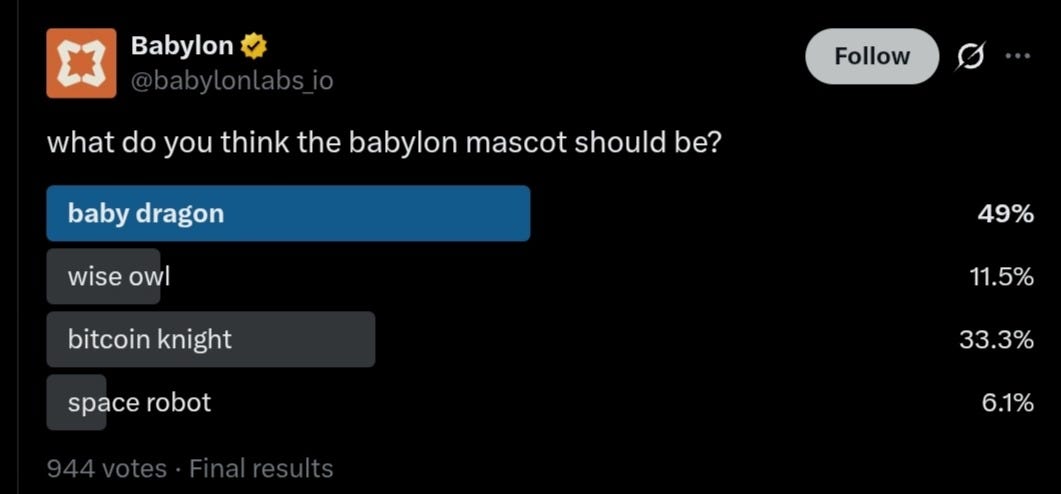
The best time to launch a mascot is when you already have a strong organic community. That way, it’s easier for you to get quality feedback when you ask them to decide on the mascot’s name and look . It doesn’t feel imposed and so they relate to it naturally.
Do you need a mascot?
Yes, if you have a strong community, utility and an interesting brand story people can ride with
Web3 marketing stories are boring BUT NOT HERE!
Need help with creating your brand story? Send me an email or a DM on X .
Thanks for reading Web3tales ! Subscribe for free to receive new posts and support my work.