
In 2025, the fintechization of crypto happened, with more regulations entering the space, thanks to stablecoins. This year, compliant projects will win over those without – those without that aim to go mainstream will have to merge.
In 2026, no more yaps. Kaito is thinking broader, building a platform that rewards creators beyond X and could become a renowned tool for traditional marketing over time. Hence, no more renting attention on X and baiting with incentives. You now have to be creative in gaining attention. Expect structure as opposed to vibes when it comes to marketing for mass crypto adoption in 2026.
On the funding side, as per this report VCs are excited about stablecoins, payment infrastructures, tokenization, and prediction markets, but less excited about AI crypto projects and new blockchains.
According to another report, most investors expect the IPO window to remain open in 2026. Companies that made it through public listings shared similar traits: clear product-market fit, durable or growing revenue, expanding customer bases, and business models that public investors could evaluate without depending on token price appreciation.
These trends set the pace for what web3 product teams and marketers should use as guidelines to stay ahead in 2026.
Don’t forget to subscribe
Product Moats : What You Should Be Building in 2026
1. A product with actual utility
Products that work for normies, not just crypto natives.
This should be common sense right, but maybe not in web3 where over 70% of projects require KOLs and a leaderboard to survive for one full week! This new era will reward projects that are building for people over hype as mass adoption begins to seep in. That’s what pulls in revenue and also, that’s one of the things vcs love.
Build simple. Build something that makes your grandma use crypto without even knowing.
Royal Match Vs Candy Crush
A befitting example (although not in crypto) is a casual game I fell in love with over Candy Crush last year – it’s called Royal Match.
Unlike Candy Crush that uses streaks to get you logging in daily, Royal Match has no login streaks.
It’s a fun game with sub-games that are interconnected resource-wise. The community competitions are worth spending your time on because you earn game resources if your team ends in the top 5. These resources are power ups used in extending your play time after your chances are exhausted and economical than having to pay $10 for them.
But subtly, there's an in-game streak that demands you either pay for power ups or risk playing a level multiple times to keep a certain position. This is more emotionally engaging than daily login streaks.
Without login streaks, I’ve played Royal Match consistently for 6 months, getting above level 1000 – something I’m yet to achieve in Candy Crush after more than 3 years.
The truth is : login streaks don’t matter if you’re building something that users find useful or interesting.
You don’t have to emotionally bully anyone to log in for rewards.
2. Feature parity with web2 alternatives
No more asking users to sacrifice functionality for crypto benefits.
This article by Stepan the CEO of Altitude – a company building infrastructure for stablecoin payments is, in my opinion, a complete guide to how founders must see building for mass adoption.
It’s beyond “We are crypto” you should use us. It should be “We offer x, y,z that you can’t find elsewhere.
In Stepan’s words :
“If you’re asking someone to switch, you can’t ask them to give up capabilities they depend on.
Feature parity with traditional fintech is the price of admission. Innovation is the reason to play.
You can’t just bolt stablecoins onto a traditional fintech stack and call it innovation.”
In practice Stepan, means :
If you’re building a stablecoin payment app, users expect the basics to work seamlessly: instant notifications when payments arrive, easy expense categorization, automatic receipt matching, clean transaction history they can export for taxes.
These aren’t perks, they’ve long existed in other payment applications.
But with stablecoin infrastructure, they can have exclusive benefits such as programmability, composability and instant cross–border payments.
3. Regulatory compliance
In this era of crypto fintechization, compliance is a feature.
Big players like institutions will only feel safe to do business with you if you’ve ticked off all compliance checks.
Ideally, if you have one, you can market compliance as a competitive advantage – that helps you build a moat that shadowy, unregulated competitors can’t cross.
4. Story-driven products
Build with gravity sales in mind.
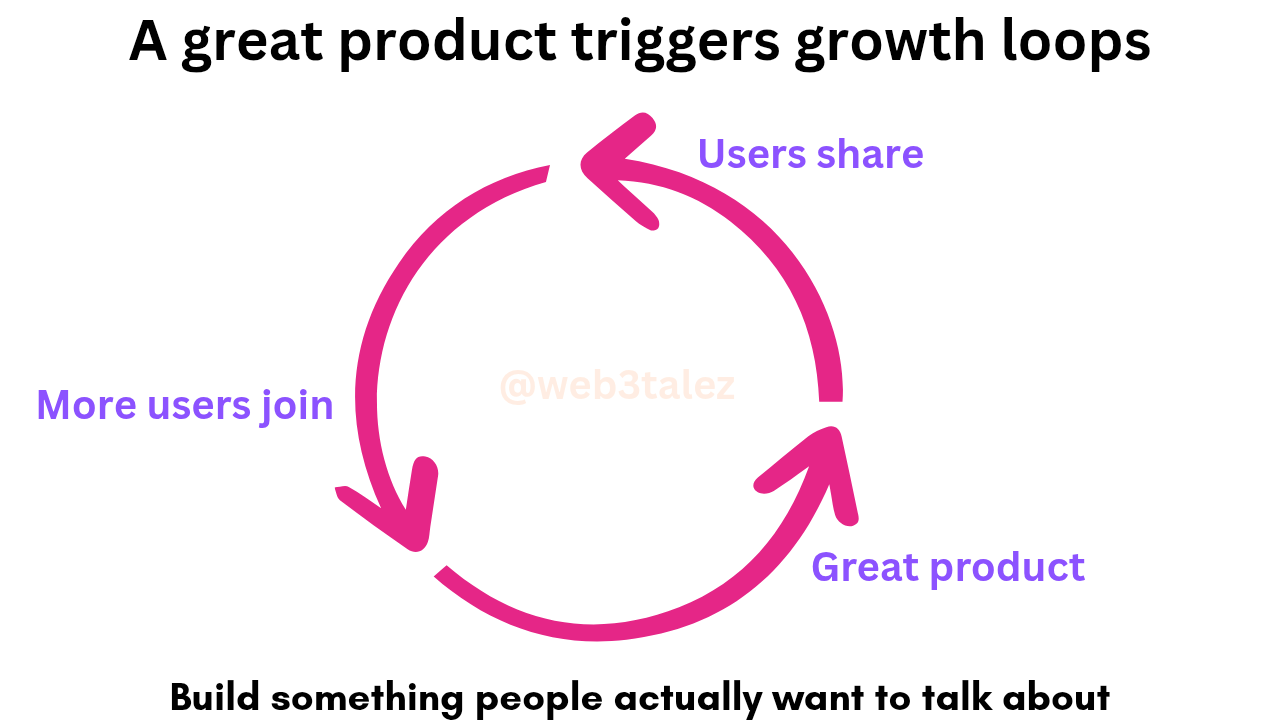
The reason you would want to use Dune, for instance, is because you’ve seen well-designed dashboards built on it. The product facilitates product-led growth and triggers growth loops.
Outside crypto, Lovable engineered a simple growth loop that made them scale and acquire new users at no cost : the product was engineered to solve a specific problem outstandingly, offer free credits, and then utilize word of mouth.
Gravity sales will only make sense when there’s a story for one to gravitate towards.
Marketer Moats : What Marketers Need To Master in 2026
Away from product, let’s talk about marketers. Getting 10m in TVL, is different from 10m in revenue. You need to sharpen your skills to stay ahead. The following things you need to master in 2026 are:
1. Traditional marketing fundamentals
Web3 marketing job descriptions in 2026 are emphasizing things that are more obvious in web2: lifecycle marketing, funnel optimization, retention analysis, B2B demand generation, data experimentation…
Basically, all the boring stuff that web3 folks ignore.
If you have prior experience in web2, this will be a walk over for you, but if you don’t, you can always learn.
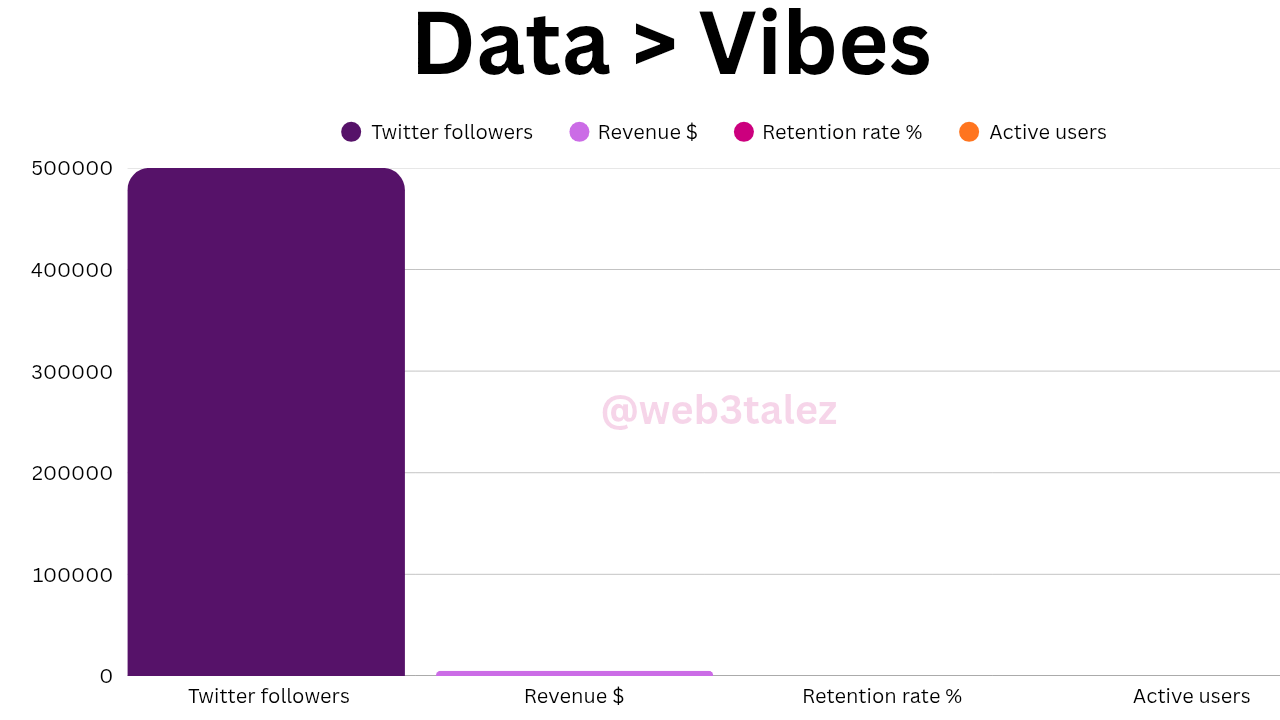
Because investors will want to see the same metrics they’d expect from any business: CAC, LTV, retention curves, conversion rates, revenue growth. Just paying KOLs for a hype campaign won’t fix this.
This transition will mean:
Not relying on X as the major marketing channel – diversify and explore LinkedIn, SEO, email marketing etc.
Knowing when and how to combine hybrid (web2 +web3) channels.
Not renting attention to KOLs but owning it through category positioning and narrative.
Knowing how to build retention and community outside Discord.
Learning how to build lightweight dashboards.
Understanding multi-channel algorithms.
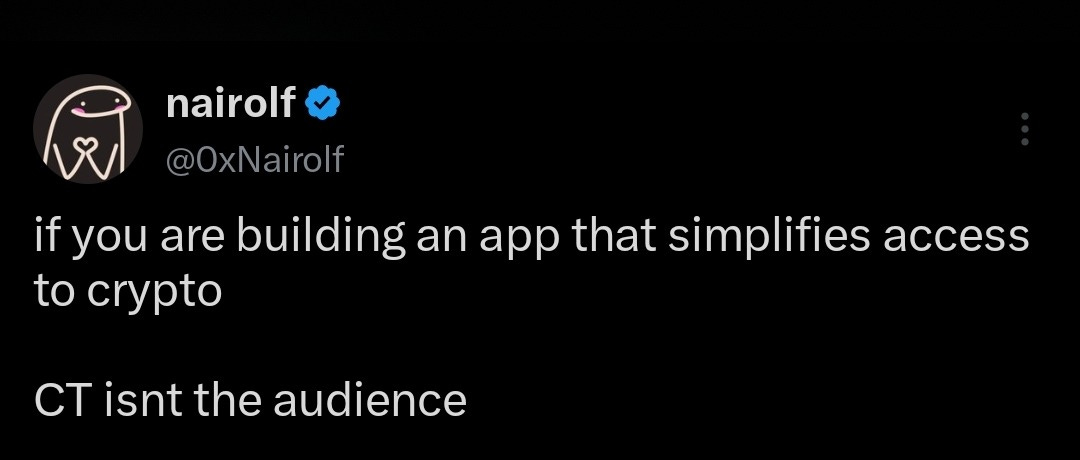
2. Check for pmf and gravity sales
As a marketer who aspires to do great stuff, you need to be honest about product-market fit.
If you’re working for a project that doesn’t solve a problem, no amount of clever marketing will save you.
You can’t market your way out of a bad product.
The best marketers in 2026 will choose products carefully. They’ll look for projects with genuine utility, clear value propositions, and products that users actually want. Because marketing works best when there’s something worth amplifying.
On the other end, for products with stories worth telling, you need to constantly be in the know of trends and know how to market the product features per time.
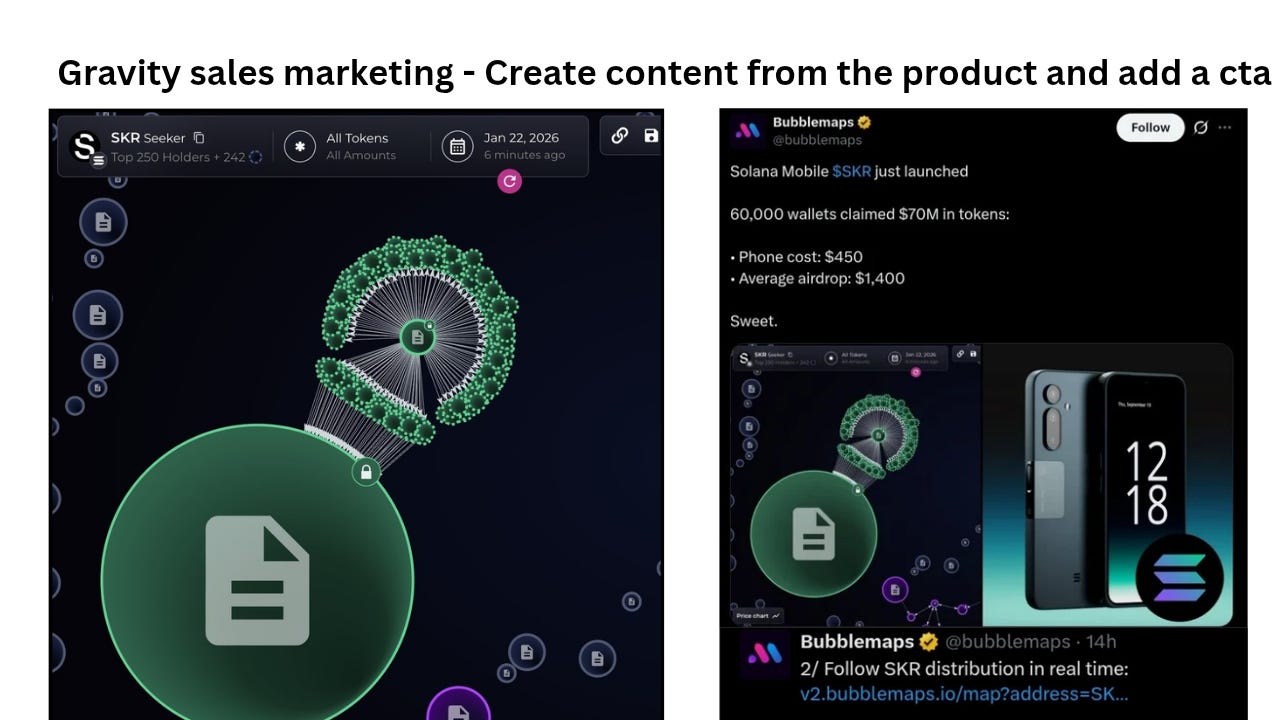
Btw, gravity sales marketers are in high demand right now. The ability to pull a chart from a tool and tell a relatable story positions the brand as one of authority and brings in traction effortlessly.
3. Simplicity in communication
Speak to me like you’re speaking to a friend.
Now that crypto is going mainstream, language must be simplified to carry everyone along. Do away with all the crypto jargons you’re used to posting on X and just tell people how the product works and why it’s important to them.
Remember from a previous case study how Gnosis marketed a crypto card to non-crypto natives.
Right now, job descriptions for web3 product marketers have “must be able to simplify technical products to users”.
If you know how to break down complex products then that is your moat.
4. Becoming a brand
One of the things I observed with many companies these days is that most times their company page exists to amplify what team members have already shared. It's not the main communication channel.
It's not only just “founder funnel” now. Teams that master “team funnel” will have inspiring results.
As a marketer, your brand is your asset that doesn't die when you leave a company. I’d advice you start building your personal brand if you haven't.
Why does it matter?
There is data to prove that people follow personal accounts more than corporate accounts. AI slop has made it easier for people to specifically look out for accounts that “feel human” to interact with.
Don't forget this :
A marketer with a strong brand = organic reach, credibility, and distribution that follows you everywhere.A team with team members with strong brands = amplified company reach without paid ads.I love how Elena the CMO at Lovable said it:
It’s happening at Lovable. If we want awareness about a big update, what do we do?
Big push through our PR agency? Nope.
Paid influencers? Sometimes.
Our company social? Meh.
Instead, we lean on people specifically to post about it, such as Anton (our CEO), Felix (one of our incredible designers), and me. The official Lovable account will repost what we’re sharing, and we’re building up a team of rising stars in the company who are sharing more and more - and that’s the point: Employees’ social followings are becoming a major asset for companies.
5. Creativity over incentives
Armed with data, the most creative marketers will always win.
Away from incentives, you need to think about creative ways to stand out against competitors, maintain retention, and make users feel seen. These are the main ingredients for a solid brand.
It is beyond running a hype campaign for one month and then the noise dies after a week.
Also, with compliance comes "restrictions". You must understand how to play within the ambience of what regulations allow.(Institutional and compliant marketing case studies will be published subsequently in this publication).
If you want to make your users feel seen, there are creative ways to explore. For example, there could be trigger actions that give users personalized cards based on their usage history to share on socials. Now that’s your users feeling and being seen while helping you with content marketing in the process.
When it comes to standing out, you need to be deliberate about the category the product is owning or the narrative it is building. An InFoFi product, for instance, cannot position itself as just another analytics dashboard. That category is already crowded and commoditized. It needs to have something spectacular that differentiates it from others – that’s the narrative angle it should use.
Narrative is not built on vibes but on actual data from the market to position appropriately.
The point is:
Creativity + data = unstoppableBe unstoppable in 2026
Web3 marketing stories are boring BUT NOT HERE!
Need help with creating your brand story? Send me an email or a DM on LinkedIn
Don’t forget to subscribe